Safeguarding Critical Rail Infrastructure in Southern Styria (Austria)
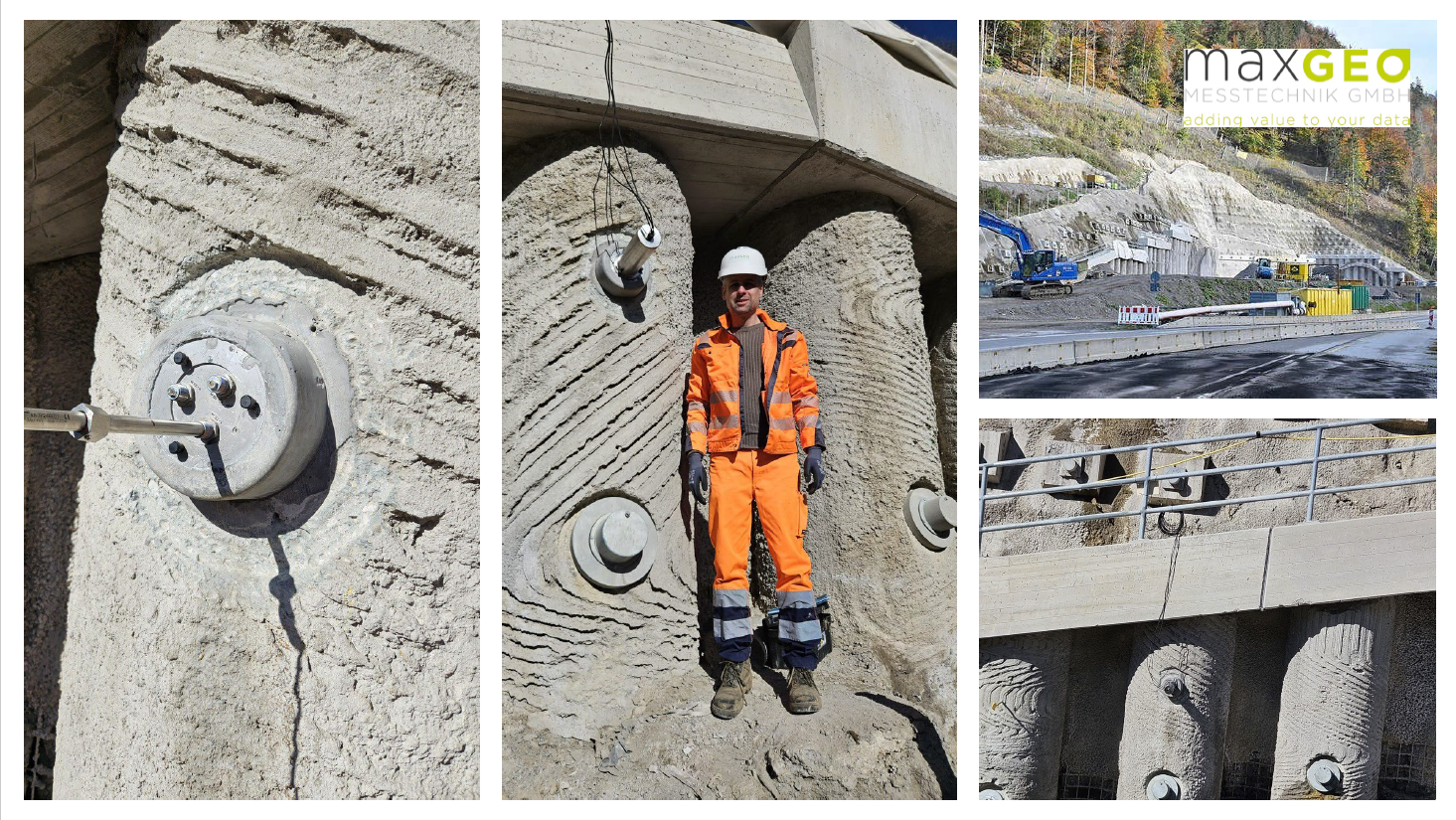
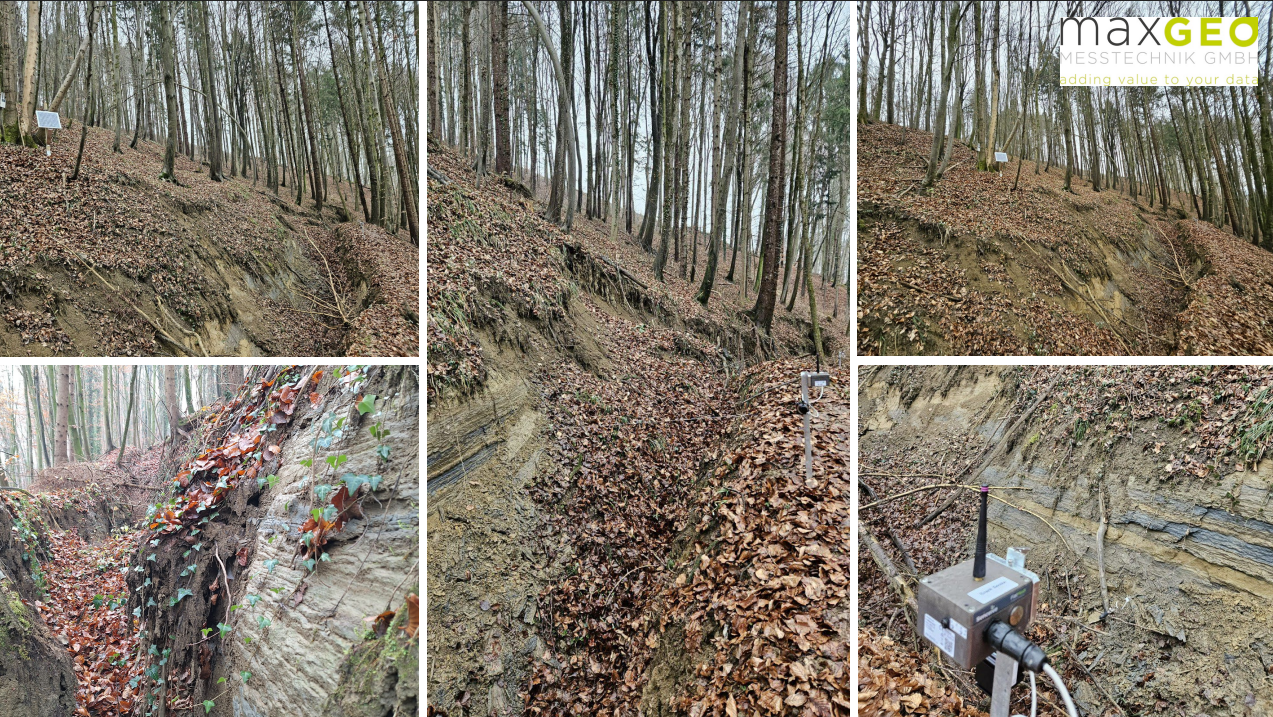
Recently, maxGEO successfully deployed an advanced geohazard monitoring system for Austrian Railways (ÖBB) in Styria, near Retznei, addressing a critical slope failure that posed a significant risk to railway operations. The installation of Senceive’s InfraGuard system, equipped with high-precision tilt sensors and draw-wire sensors, now enables continuous, real-time monitoring of slope movements and crack openings, providing early warning of potential failures.
Geological Challenges in Southern Styria
The region of southern Styria is characterized by complex geological formations, including sedimentary rocks, marls, and clay-rich layers prone to slope instability. Weathering, seasonal groundwater fluctuations, and ongoing natural erosion contribute to an increased risk of landslides. In railway corridors, where cuttings and embankments intersect these vulnerable geological layers, proactive geohazard monitoring becomes essential.
Why Continuous Monitoring Matters
Rail infrastructure is highly sensitive to even minor ground movements, which can compromise track stability and safety. Traditional inspection methods, while valuable, cannot provide the real-time data needed to detect rapid changes. By implementing wireless sensor technology, ÖBB now benefits from:
✅ 24/7 remote monitoring of slope movement and crack development
✅ Automated alerts for early warning and risk mitigation
✅ Data-driven decision-making for maintenance and safety strategies
As geotechnical risks continue to challenge critical infrastructure, maxGEO remains at the forefront of innovation, delivering solutions that protect railways and enhance operational resilience using Senceive’s advanced monitoring technology.
Interested in learning more about geohazard monitoring solutions? Visit www.maxgeo.at or get in touch with us!